
The Part No One Talks About After a Data Breach
When a company announces a data breach, most people change a password and move on. But the real danger begins after the breach, not when it’s reported.
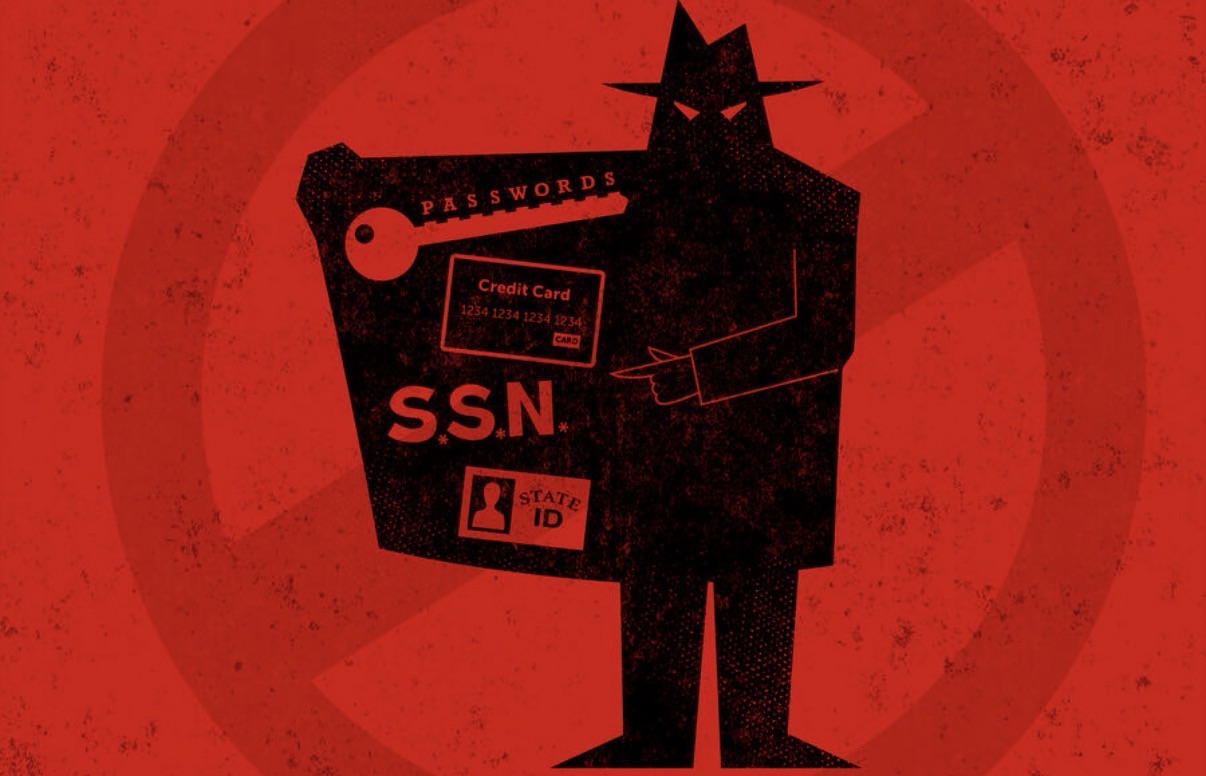
Stolen data doesn’t just sit around — it enters an underground economy where personal information is bought, sold, traded, and reused for years.
Where Stolen Data Goes First
After a breach, stolen credentials are usually:
Uploaded to private hacker forums Sold in bulk on underground marketplaces Traded for other breach data Shared in Telegram or Discord groups
Even small breaches can expose millions of records within hours.
What Type of Data Is Most Valuable
Not all stolen data is equal. Cybercriminals value:
Email + password combinations Financial and payment details Social Security numbers or IDs Verified accounts with activity history Business or admin credentials
The more “complete” your digital profile is, the more valuable it becomes.
How Your Data Gets Reused Against You
Once sold, stolen data is rarely used just once. It’s commonly used for:
Credential stuffing (trying your login on many sites) Identity theft and loan fraud Account takeovers Social engineering scams Long-term impersonation
This is why people experience fraud months or even years after a breach.
Why Old Breaches Still Matter
Many users ignore breaches from years ago — but attackers don’t.
Old data is combined with newer leaks to build full digital identities, making scams more convincing and attacks more successful.
A password leaked in 2018 can still be used today.
How to Protect Yourself After a Breach
If your data was exposed:
Change passwords immediately (starting with email) Enable multi-factor authentication Watch for suspicious login alerts Monitor financial statements and credit Assume reused passwords are compromised
Speed matters — the faster you act, the less damage attackers can do.
Final Takeaway
A data breach doesn’t end with a notification email.
For attackers, it’s the beginning of a long-term opportunity.
Understanding what happens after your data is stolen is the first step to stopping the damage before it spreads.