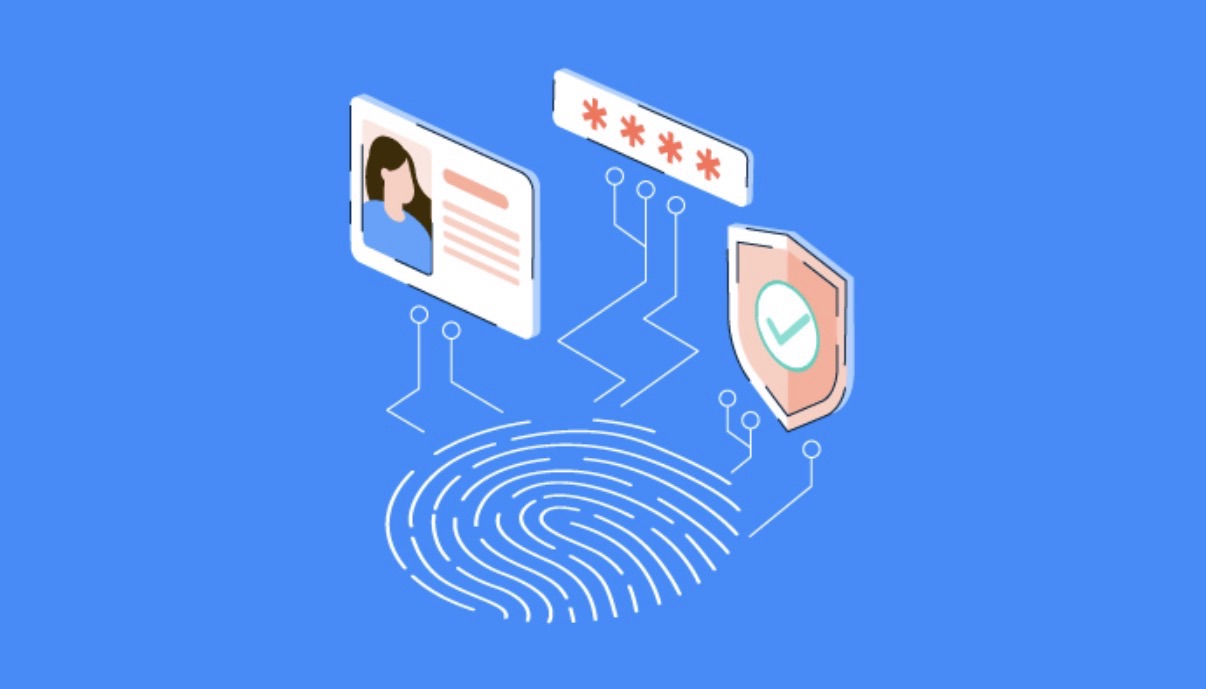

What Is Digital Identity?
Your digital identity is the complete set of information that identifies you online. It’s built from everything you do on the internet — the accounts you create, the devices you use, and the data you share, knowingly or not.
This includes obvious details like your name, email address, and social media profiles, as well as less visible data such as IP addresses, device fingerprints, browsing behavior, and location history.
In simple terms: your digital identity is who you are to the internet.
What Makes Up Your Digital Identity
Your digital identity is not one single profile — it’s a combination of many data points, including:
Usernames and passwords Email addresses and phone numbers Social media activity Online purchases and subscriptions IP address and device information Cookies and tracking data Biometric data (where used, like face or fingerprint ID)
Together, these pieces form a detailed picture of you online.
How Your Digital Identity Is Created
You create your digital identity every time you:
Sign up for a website or app Post, like, or comment on social media Shop online or enter payment information Use a smartphone, browser, or smart device Accept cookies or app permissions
Even passive actions — such as visiting a website — can add to your digital footprint.
Why Digital Identity Matters More Than Ever
In today’s online world, your digital identity controls access to nearly everything:
Banking and financial services Email and communication Healthcare portals Work tools and cloud storage Social networks and personal data
If someone takes over your digital identity, they don’t just access one account — they can impersonate you, reset passwords, steal money, and damage your reputation.
Digital Identity and Cybercrime
Cybercriminals target digital identities because they are valuable. A complete digital identity can be used for:
Identity theft Financial fraud Account takeovers Social engineering scams Long-term impersonation
Unlike physical theft, digital identity theft can continue silently for months or years.
The Link Between Data Breaches and Digital Identity
Data breaches expose pieces of digital identity — emails, passwords, phone numbers, or IDs. Attackers combine data from multiple breaches to build full identity profiles, making future attacks more effective and harder to detect.
This is why even small breaches matter.
How to Protect Your Digital Identity
Protecting your digital identity doesn’t require advanced technical skills — it requires consistent habits:
1. Use unique passwords for every account
Password reuse makes identity takeover easy.
2. Enable multi-factor authentication (MFA)
MFA adds a powerful extra layer of protection.
3. Secure your email account first
Your email controls password resets for most services.
4. Limit what you share publicly
Oversharing helps attackers impersonate you.
5. Monitor account activity and alerts
Early detection reduces long-term damage.
6. Keep devices and software updated
Updates close security holes attackers exploit.
Digital Identity vs. Digital Footprint
Your digital footprint is the trail of data you leave behind.
Your digital identity is how that data is used to represent and authenticate you.
One feeds the other — and both need protection.
The Future of Digital Identity
As more of life moves online, digital identity will become even more important. Governments, banks, employers, and platforms increasingly rely on digital identity to verify who you are.
This makes security, privacy, and user control critical issues in the years ahead.
Final Takeaway
Your digital identity is one of your most valuable assets — even if you rarely think about it. It determines how you’re seen, trusted, and authenticated online.
Protecting it isn’t optional anymore.
In the digital world, your identity is your access.
Discover more from wphprog.com
Subscribe to get the latest posts sent to your email.